

London, December 08, 2025
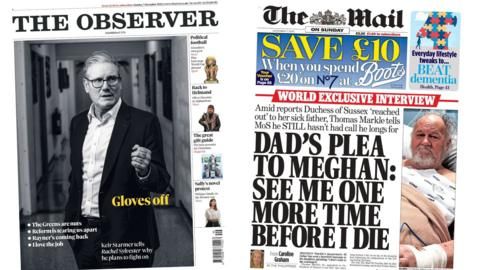
Keir Starmer, UK Prime Minister and Labour leader, is confronting a significant leadership challenge within his party amid internal dissent, pledging to remain in position and resist pressure to step down, as speculation builds over potential rivals seeking to replace him.
Labour Party turmoil escalates as factional disputes deepen. Keir Starmer’s authority is under intense strain just over a year into his premiership. Reports indicate growing unrest among Labour MPs, with some calling for a leadership contest. Party rules require a challenger to secure the backing of approximately 20% of Labour MPs—around 80 lawmakers—to trigger such a contest. Allies of senior figures including Wes Streeting and Angela Rayner have emerged in discussions as possible alternative leaders. Despite mounting speculation, Starmer has publicly declared his intent to “stand and fight” to maintain his leadership and govern.
The implications of a leadership challenge. The Labour leader faces a precarious situation where internal divisions risk destabilizing the UK government’s capacity to implement its agenda. His administration has prioritized economic growth, energy security, healthcare investment, and education reform since taking office. However, declining public approval and party infighting complicate governance and policymaking. Starmer’s steadfast commitment to resist calls for resignation underscores the high stakes. How this internal conflict unfolds could influence the political landscape in the coming months, particularly with challengers actively positioning for influence.
Context on the government and party dynamics. Starmer’s Labour government won power in 2024 with a manifesto targeted at bolstering public services and addressing economic challenges facing the UK. However, internal party cohesion has weakened, impacting confidence among voters and MPs alike. The contested leadership reflects broader tensions over strategy and vision within Labour, highlighting fractures between different ideological wings and leadership styles. These disagreements coincide with the complex demands of governing during a period of economic and geopolitical uncertainty.
Separate media focus: Meghan Markle’s father’s plea. Alongside political developments, media narratives also spotlight a recent plea from Meghan Markle’s father. While specific details are limited in current reports, the attention reflects ongoing public interest in the British royal family’s private matters. This human-interest story runs concurrently in the public eye, demonstrating the multi-faceted nature of news cycles in the UK.
Keir Starmer’s determination to remain at Labour’s helm despite internal opposition signifies a critical moment in the party’s evolution and UK politics. The coming weeks will likely reveal whether his leadership can be sustained or if a contest reshapes the political order. Meanwhile, the public and political commentators will be watching closely as these events unfold.