

London, December 01, 2025
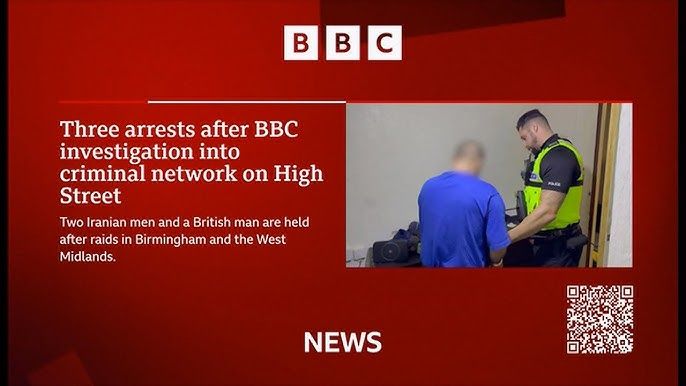
Three men have been arrested in dawn raids in the West Midlands as part of a National Crime Agency (NCA) operation targeting organized crime networks exploiting British High Streets through shops such as mini-marts, car washes, and barbers. The investigation, sparked by a BBC exposé, uncovered large-scale illegal working, document fraud, and money laundering estimated to generate criminal proceeds of £110 million.
Arrests and Investigation Details
The recent arrests follow coordinated law enforcement actions across the UK, focusing on criminal enterprises using legitimate businesses as fronts for illicit activities. The three suspects were detained early morning after a months-long BBC investigation revealed that these individuals facilitated illegal entry into the UK and enabled illegal employment within various High Street premises. The probe found that these networks took advantage of the ongoing cost of living crisis to commit multiple offences, including theft and document fixing.
Scale of Operation and Financial Impact
This crackdown is part of an extensive NCA initiative involving visits to over 2,700 High Street locations nationwide. It has resulted in more than 920 arrests linked to a wide range of crimes, with seizures including £10.7 million in criminal assets, illicit tobacco, vaping products, cash, and drugs. Kurdish criminal fixers were identified as key players in forging documents and managing illegal business operations through “ghost directors” — individuals who mask the true ownership to obfuscate criminal control over these enterprises.
Law Enforcement and Political Reaction
Authorities emphasize the gravity of these crimes, citing the significant economic and societal harms caused to legitimate businesses and the wider community. Senior politicians have expressed concern that such illegal activities act as a magnet for illegal migration, further straining public resources.
In response, 25 Labour Members of Parliament have instigated a campaign calling for strengthened laws and enhanced enforcement powers aimed at closing down “dodgy shops” that operate as fronts for organized crime, money laundering, and unauthorized labour. The Home Office has backed the efforts, underlining a commitment to safeguarding the future viability of British High Streets.
Criminal Tactics and Background
The criminal networks employ sophisticated techniques including document forgery, exploitation of vulnerable workers, and complex schemes with ghost directors to distance actual criminal operators from legal scrutiny. These methods enable offenders to run businesses that function superficially as legitimate enterprises while serving as hubs for extensive illegal activities.
Such practices erode fair market competition and undermine the integrity of local economies. Moreover, these crimes exacerbate societal challenges stemming from economic hardship by embedding exploitation within everyday storefronts familiar to communities.
British High Streets, once symbols of thriving local commerce, face ongoing threats from these covert criminal infiltrations. The current enforcement surge led by the NCA, along with supportive political advocacy, signals a determined effort to root out and dismantle these organized crime networks.
Continued vigilance and legislative action remain critical to protect legitimate businesses, ensure fair labour standards, and reinforce the rule of law across the nation’s commercial sectors.