

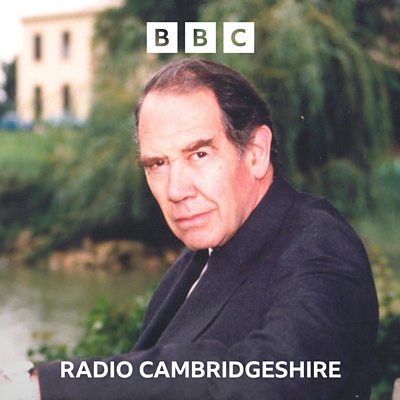
Oxford, November 28, 2025
Sir Terence English, the British transplant surgeon renowned for performing the UK’s first successful heart transplant, died peacefully at his home in Oxford on November 23, 2025. His pioneering surgery marked a pivotal advancement in cardiac medicine.
Historic Achievement
On August 18, 1979, Sir Terence English made medical history by successfully performing the UK’s first heart transplant in an operating theatre in Cambridgeshire. His patient, Keith Castle, aged 52, survived for five years following the operation, providing crucial proof of the procedure’s viability and setting a new standard for cardiac care in Britain.
Background of Heart Transplantation in the UK
The UK’s initial attempt at heart transplantation occurred more than a decade earlier, in January 1968, when Frederick West received a donor heart. However, West survived only 45 days post-surgery due to organ rejection. The disappointing outcome triggered controversy and prompted the Department of Health to impose a moratorium on heart transplant surgeries nationwide.
Sir Terence English’s perseverance was instrumental in overturning this moratorium. Despite institutional resistance, he refined techniques and protocols, culminating in his successful 1979 transplant. This breakthrough reversed skepticism within medical authorities and led to the establishment of a sustainable heart transplant programme across the UK.
Legacy and Impact
Sir Terence’s achievements have had a lasting impact on both cardiac surgery and patient outcomes in Britain. His work enabled thousands of patients to benefit from heart transplants, significantly extending lives and improving quality of life. The British Heart Foundation publicly acknowledged his role as a pioneering surgeon who advanced heart transplantation during a period when the practice faced considerable doubt.
His determination not only saved lives but also paved the way for continuous innovation in transplantation medicine. His legacy endures in the protocols and surgical standards now commonplace in UK cardiac units.
The medical community and wider public remember Sir Terence English as a figure of resilience and foresight, whose contributions fundamentally changed British medical practice and have ongoing relevance in global transplant surgery.