

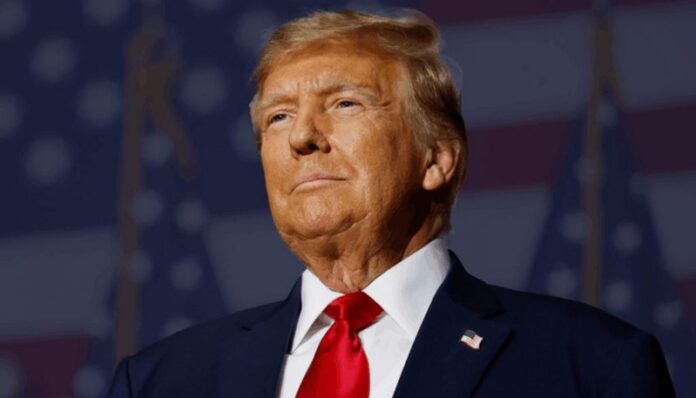
New York, December 13, 2025
Former President Donald Trump has pledged to “make America affordable again” as part of his 2024 campaign commitments to address rising living costs in the United States. This vow, tied to his second-term agenda, aims to combat inflation and economic pressures through reforms outlined in the April 2023 Project 2025 blueprint.
Key Policy Initiatives
Trump’s affordability pledge focuses on three primary areas: tax reform, government spending cuts, and deregulation, intending to lower costs for American households and businesses. These initiatives are drawn directly from Project 2025, a plan developed with input from the Heritage Foundation.
Tax Reform Proposals
Project 2025 includes extending the 2017 Tax Cuts and Jobs Act and introducing a simplified tax structure with two flat rates—15% for annual incomes up to $168,600 and 30% for incomes above that threshold. Furthermore, the proposal considers replacing the current income tax system with a broader national sales tax to incentivize consumption and potentially increase take-home pay. However, analyses indicate that eliminating certain deductions and credits could raise tax burdens for many low- and middle-income households, potentially offsetting the benefits of flat tax rates.
Government Spending Reductions
The plan calls for significant reductions in federal spending, particularly targeting social programs. Caps and work requirements are proposed for Medicare and Medicaid, along with per capita limits and vouchers aimed at reducing federal expenditures. Education funding would be redirected toward school vouchers, and the Department of Education could face dismantlement under this blueprint. While intended to restrain government spending and minimize inflationary pressures, these measures may increase out-of-pocket costs for healthcare and education services.
Deregulation and Energy Policy
Trump’s agenda emphasizes deregulating sectors that influence the cost of living, particularly environmental regulations that affect fossil fuel energy production. It proposes scaling back independent National Institutes of Health (NIH) activities and reversing policies implemented during President Biden’s administration. This approach is positioned as a means to reduce energy prices and general living expenses, aiming to stimulate economic growth.
Context of Rising Living Costs
Since 2021, U.S. households have experienced persistent inflation impacting housing, groceries, and healthcare costs, creating widespread public concern. Trump’s message directly targets these pain points, appealing to voters who feel the economic strain. Project 2025 serves as a comprehensive framework for implementing affordability-related policies if re-elected, potentially influencing 20 to 30 percent of federal spending.
Although no exact public statement from 2025 matches Trump’s affordability pledge verbatim, the overall messaging aligns with his ongoing focus on economic issues post-2024 election. The policy proposals reflect broader debates regarding tax fairness, government role, and regulatory balance amid efforts to stabilize the U.S. economy.