

New York, December 08, 2025
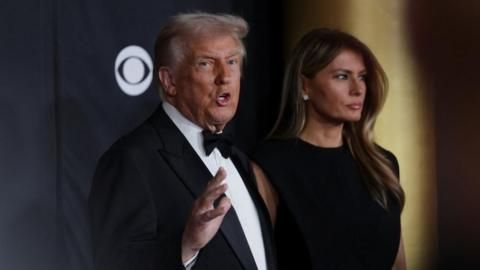
Former President Donald Trump has voiced strong concerns over the proposed $72 billion Netflix-Warner Bros. merger, citing potential market problems. The deal, currently under heavy regulatory scrutiny in the United States, could reshape Hollywood’s content production and distribution landscape.
The merger would combine Netflix, the world’s largest streaming platform, with Warner Bros. Discovery, a major content powerhouse. Trump warned that such consolidation “could be a problem,” fueling doubts shared by industry insiders and government officials about the risks of excessive market dominance.
Concerns Over Market Power and Monopsony Effects
Experts and critics argue that the deal risks creating a monopolistic giant with overwhelming control over both content creation and distribution channels. More specifically, former Amazon executives and other observers have warned of a potential monopsony—the condition where too few buyers hold disproportionate bargaining power over creative talent, including writers, directors, and actors. This imbalance could limit opportunities, suppress wages, and stifle diversity across Hollywood productions.
Such concerns are grounded in precedents where large media mergers were either blocked or heavily conditioned by regulators to prevent market abuses. The fear is that a combined Netflix and Warner Bros. entity would exert outsized influence over hiring, project greenlighting, and intellectual property exploitation, reducing competition in a sector already facing disruption.
Netflix’s Position: Expanded Production and Job Growth
In response, Netflix has defended the merger by highlighting the potential benefits. Company executives argue the deal will expand production capacity substantially, allowing more original content investments. They further emphasize that integrating Warner Bros.’ rich intellectual property portfolio and HBO’s assets will generate new opportunities and jobs within the creative industries.
Netflix maintains that leveraging Warner Bros.’ content ecosystem will enable the company to meet growing global demand with a broader and more diverse slate of programming, thereby benefiting producers, talent, and audiences alike.
Regulatory Skepticism and Antitrust Outlook
Despite Netflix’s assurances, the U.S. government, informed by a legacy of regulatory vigilance from the Trump administration and ongoing scrutiny from antitrust bodies, views the merger with significant suspicion. Officials anticipate rigorous examination to assess whether the consolidation unduly concentrates market power in a way that harms competition and consumers.
Regulators are particularly focused on preserving a competitive environment that supports innovation, fair labor conditions for creative talent, and balanced access to content platforms. Any approval of the merger is likely to depend on safeguards that mitigate monopsony risks and prevent abuse of market dominance.
The Deal’s Tech Dimension and AI Implications
Beyond traditional media concerns, analysts note the strategic importance of owning high-quality, proprietary content for the evolution of AI technologies in entertainment. As artificial intelligence increasingly shapes creative processes and content dissemination, controlling vast intellectual property assets offers firms like Netflix a critical competitive advantage in developing AI models and tools.
This expanding role of AI underscores the merger’s significance not only for Hollywood’s creative ecosystem but also for the broader technology and media landscape, where content ownership is closely linked to innovation capability.
Industry and Creative Community Impact
The proposed Netflix-Warner Bros. union represents a pivotal moment for the entertainment business. While it promises scale and resource consolidation, it raises complex questions about sustaining a healthy marketplace that rewards creativity fairly and preserves opportunities for diverse voices.
For policymakers, balancing the drive for innovation with the prevention of market monopolization remains a central challenge. The final regulatory decisions will likely influence the structure of the entertainment sector for years to come, shaping how power and opportunity are distributed among global media players and creative professionals.
As the review process unfolds, the industry and its stakeholders await a resolution that carefully weighs the economic potential against the risks of reduced competition and diminished creative autonomy.