

New York, December 09, 2025
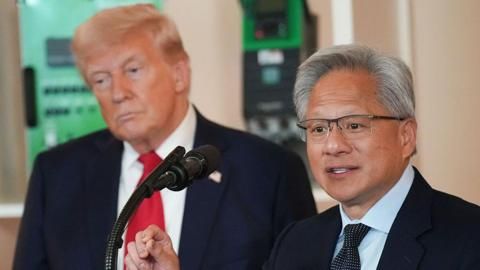
Former US President Donald Trump has authorized Nvidia to export its advanced H200 AI chips to China, lifting previous restrictions and signaling a significant shift in US technology export policy amid ongoing US-China tensions.
Approval of Nvidia’s Chip Exports to China
The approval permits Nvidia, a leading semiconductor company, to sell its state-of-the-art H200 artificial intelligence processors to Chinese customers. This decision marks a departure from earlier US regulations that had limited the export of cutting-edge AI technology to China due to concerns over national security and competitive technology advantage.
Significance of Nvidia’s H200 AI Chips
Nvidia’s H200 chips represent some of the most advanced processors available for AI development and deployment globally. These chips play a critical role in powering sophisticated AI applications and research, underscoring the strategic importance of this technology in the global market. Their export to China opens access to one of the largest and fastest-growing AI markets in the world.
Impact on US-China Technology Relations and Security Concerns
Previously, the US government restricted such sales to prevent potential military and economic advantages accruing to China. The decision by the former president could ease previously strained trade relations in the high-tech sector, though it also raises strategic concerns given the geopolitical rivalry between the two nations. Balancing economic interests with national security will remain a complex challenge for policymakers.
Market Response and Corporate Environment
Following the announcement, Nvidia’s stock price experienced gains, reflecting positive investor sentiment about the company’s expanded market reach. The Chinese market presents significant revenue opportunities, motivating Nvidia and other tech firms to navigate regulatory approvals carefully to capitalize on growth prospects.
Broader Economic and Financial Context
This development unfolds alongside significant activities in global financial and corporate sectors, including Federal Reserve monetary policy meetings and key corporate maneuvers. These concurrent events highlight an active period for technology and finance industries, where regulatory, market, and geopolitical dynamics intersect.
As Nvidia begins to supply its H200 AI technology to China, stakeholders will watch closely how this decision influences the balance between technological innovation, international competition, and security considerations in the evolving landscape of global tech relations.