

New York, November 30, 2025
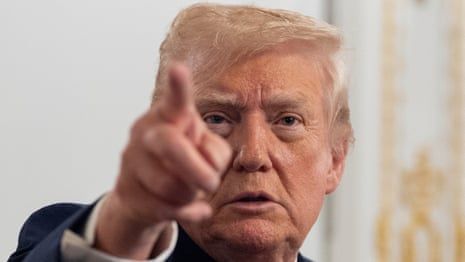
Former President Donald Trump announced a permanent pause on immigration from all designated “Third World Countries” to the United States on November 28, 2025, citing national security concerns following a fatal shooting in Washington, DC linked to an Afghan national. The directive includes a full review of green cards issued to nationals from these countries, with a focus on those deemed security risks or incompatible with U.S. values.
Details of the Immigration Pause
Trump’s announcement follows an incident involving two National Guardsmen in Washington, DC, where the alleged attacker was an Afghan national admitted during the Biden administration. In his social media post, Trump attributed the episode to broader systemic issues related to immigration from certain developing nations.
The countries affected consist of a list previously identified by Trump as “countries of concern,” including Afghanistan, Myanmar, Chad, Congo-Brazzaville, Equatorial Guinea, Eritrea, Haiti, Iran, Libya, Somalia, Sudan, and Yemen. Some of these had already been subject to travel bans under his prior administration. The president indicated he may expand or redefine this list, potentially using United Nations’ classifications like the Least Developed Countries list to guide future policy.
As part of this policy shift, Trump instructed a comprehensive review of all outstanding green cards from the designated countries. He underscored intentions to remove individuals considered threats to national security or those not aligned with what he described as “U.S. values.” The announcement also hinted at ending federal benefits to noncitizens, denaturalizing certain immigrants perceived to undermine domestic order, and deporting individuals deemed public charges.
Context and Historical Framework
The permanent pause builds upon Trump’s longstanding approach toward immigration restrictions tied to specific nations he has labeled as problematic. His administration previously imposed travel bans targeting several of these countries, citing terrorism and security concerns. This new directive potentially widens the scope of such restrictions and adopts a more permanent stance, reflecting heightened scrutiny over admission policies during the Biden era.
At present, the White House has not provided detailed clarification on the precise expansion of the list or the handling of existing visas and green cards, leading to uncertainty.
Impact on Communities and Anticipated Reactions
This immigration freeze has sparked widespread apprehension among immigrant communities originating from the affected nations. Indian nationals, though not explicitly named among “Third World Countries,” have expressed concern due to the history of prior immigration policy shifts and enhanced vetting. The policy’s ramifications extend to skilled immigrants and sectors vital to the U.S. economy.
Legal experts anticipate significant challenges to the policy, citing potential conflicts with established immigration law and accusations of discriminatory practices. Political opposition is expected from lawmakers and advocacy groups who view the measures as overly punitive and inconsistent with America’s immigration traditions.
Broader Policy Shifts and Implications
Beyond the immediate pause, Trump articulated plans to reverse what he termed “illegal admissions” facilitated under the Biden administration. He also intends to halt federal benefits to noncitizens and initiate denaturalization processes for migrants allegedly undermining public peace. These proposed measures indicate a possible comprehensive overhaul of immigration and immigrant integration policies, shifting dramatically from recent approaches.
Looking Ahead
The announcement marks a significant hardening of U.S. immigration policy rhetoric with national security as the central justification. As the policy unfolds, its legal viability, social impact, and political ramifications will continue to unfold amid ongoing debates about the balance between security and humanitarian or economic considerations. Thousands of immigrants and foreign nationals stand to be affected, underscoring heightened tensions in an already polarized immigration discourse.