

London, November 28, 2025
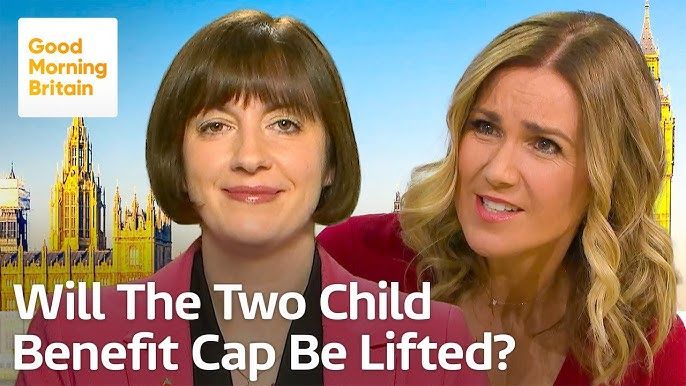
The UK government has announced the removal of the two-child benefit cap, a policy limiting child benefit payments to only the first two children, effective following the November 2025 Budget. Chancellor Rachel Reeves cited the decision’s impact on child poverty and social equity as key drivers.
Policy Reversal Lifts Hundreds of Thousands of Children from Poverty
The scrapping of the two-child benefit cap is projected to lift approximately 350,000 children out of poverty and an additional 700,000 out of deep poverty across the UK. Chancellor Reeves emphasized a commitment to ending penalization of children due to family size, stating, “I don’t intend to preside over a status quo that punishes children for the circumstances of their birth.” This significant policy change counters the previous restrictions that withheld additional child benefits for families with three or more children regardless of their financial circumstances.
Financial Investment and Political Context
The policy reversal requires an estimated £2.5 billion in government funding—a considerable financial commitment that had previously stalled the removal of the cap. The Labour government, which had initially hesitated to scrap the cap, cited budgetary limitations and sensitivity to racial and social considerations as primary factors delaying enactment. Internal debates explored alternative approaches such as benefit tapering rather than outright abolition, highlighting the complexity in balancing fiscal constraints with social welfare goals.
Disproportionate Impact on Specific Communities
The two-child cap has disproportionately affected certain demographic groups. According to data cited by the Muslim Council of Britain, 55 percent of Muslim children live in families with three or more children, compared to 29 percent across the broader population. This demographic disparity underscored concerns that the policy intensified economic disadvantages for Muslim families and similar communities with larger family sizes.
Background and Significance
Introduced as a fiscal measure, the two-child benefit cap had been criticized for exacerbating child poverty and creating inequities based on family size rather than need. Its removal marks a significant policy shift aimed at addressing systemic poverty and supporting vulnerable children irrespective of birth circumstances.
As the government moves forward with implementing this change, the social and economic ramifications will be closely observed. The policy’s success will hinge on effective funding allocation and the broader impact on reducing poverty and promoting equitable support for families across the United Kingdom.