

London, December 10, 2025
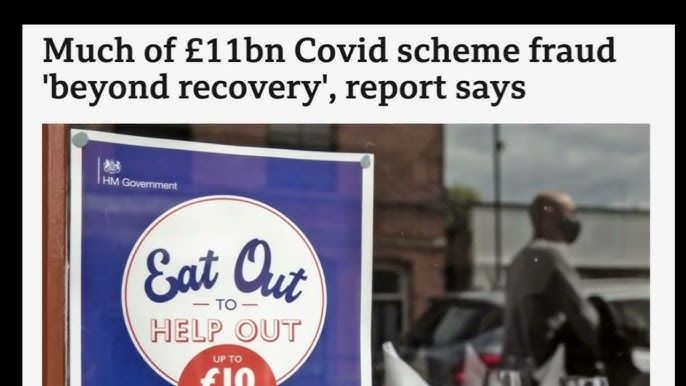
An independent report reveals that £11 billion was lost to fraud and error in UK Covid support schemes during the pandemic, with the majority now deemed unrecoverable due to systemic weaknesses in the rapid rollout process.
Scale and Breakdown of Losses
The Covid Counter Fraud Commissioner, Tom Hayhoe, presented the findings highlighting that urgent government programs designed to sustain the economy were exploited resulting in approximately £10.9 billion lost. Employment support schemes such as the furlough and self-employment grants accounted for £5 billion of the total loss. Other vulnerable initiatives included Bounce Back Loans and the Eat Out to Help Out scheme. Despite ongoing recovery efforts, only £1.8 billion has been recuperated, leaving the bulk of the funds beyond recovery.
Weaknesses in Controls and Accountability
The investigation identified key causes behind the losses, including weak accountability frameworks, poor data quality, and flawed contracting processes enforced during the emergency response. These gaps allowed fraudulent claims to proceed largely unchecked, reflecting the challenges of balancing speed with robust anti-fraud measures in crisis conditions.
Impact in Societal Terms
To contextualize the scale of the loss, the amount missing equates to sufficient funding to provide free school meals every day for 2.7 million children across an eight-year span. This comparison underscores the substantial public resource drains and the broader social opportunity costs involved.
Government Responses and Future Measures
Following the report, the government has introduced new legal powers to tackle fraud and launched a voluntary repayment scheme targeting those responsible. Plans are underway to better integrate artificial intelligence and enhance counter-fraud tactics for future emergency schemes. Efforts to prosecute perpetrators continue alongside systemic reforms aimed at preventing similar failings in future crises.
While some recovery is underway, the report’s findings emphasize that much of the financial damage is irreversible given the initial rapidity and compromised safeguards of the pandemic response. This case serves as a critical lesson on the necessity of preparedness, stronger data infrastructures, and accountability mechanisms when governments deploy large-scale economic interventions in emergencies.