

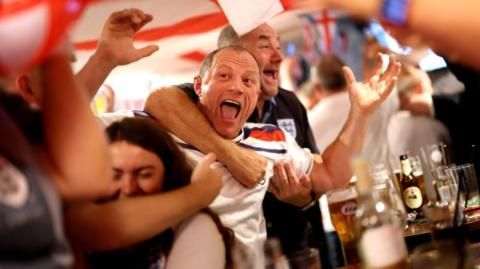
London, December 06, 2025
No official UK plans exist to extend pub opening hours during the 2026 FIFA World Cup, which will take place in the United States, Canada, and Mexico from June to July 2026. Despite speculation, government and licensing authorities have not announced any nationwide policy changes aimed at prolonging hospitality venues’ operational hours for the event.
No National Policy to Extend UK Pub Hours
In the months leading to the 2026 FIFA World Cup, rumors have circulated regarding a UK-wide initiative to keep pubs open longer so fans can watch matches live. However, official confirmation from UK government departments or licensing bodies is absent. There is no credible evidence to support the existence of a coordinated plan to extend opening times on a national scale for the tournament.
These discussions should be viewed in the context that the 2026 World Cup is hosted exclusively by North American countries and not by the UK. Therefore, national laws regulating pub hours in the UK are unlikely to be influenced by an event outside of its jurisdiction. Any extensions to licensing hours would typically be a function of local authorities rather than a government-imposed nationwide mandate.
Context From Past Tournaments
Historically, local licensing authorities in the UK have occasionally approved temporary late-night licenses during major football tournaments such as the UEFA European Championship or previous FIFA World Cups. These arrangements tend to be limited in scope, applying only to certain days and venues that anticipate large fan gatherings. Such measures have been primarily implemented to accommodate demand during knockout stages or late matches.
The provision of longer opening hours for pubs showing live sports is typically governed at the local level to balance community noise concerns and public safety with business and fan interests. Thus, even if some councils consider extensions during the 2026 tournament, these would represent isolated and temporary exceptions rather than a national policy.
Sources of Confusion and Speculation
The idea of a UK-wide extension to pub opening times during the World Cup may stem from media speculation, misinterpretation of local licensing proposals, or recycling of stories from previous tournaments. It is common for hospitality stakeholders and local officials to propose flexible arrangements in anticipation of high-profile sporting events. However, such proposals do not automatically translate into nationwide changes.
Misinformation or misreporting can also arise when older discussions connected to past football tournaments are inaccurately linked to upcoming events. Careful scrutiny is necessary before accepting rumors or announcements without official backing.
Preparations in Host Countries
As the 2026 FIFA World Cup will take place across 16 cities in the United States, Canada, and Mexico, the emphasis rests on local organizing committees and host nation governments to coordinate fan experience amenities such as fan zones, large public screenings, and hospitality sector readiness. Efforts include upgrading stadiums, refining transport infrastructure, and ensuring security protocols.
Hospitality businesses in the host countries may implement extended opening hours or special event licensing to accommodate matchday crowds. These localized regulations are tailored to the practical realities and legal frameworks within those nations.
Anticipated Licensing Developments in the UK
For non-host countries like the UK, the focus will largely be on broadcast rights, promotional events, and encouraging fans to watch matches in licensed premises. Any change to pub opening times will likely be governed by local councils and respond to individual community needs on particular match days. Temporarily adjusted hours will be balanced carefully with public safety considerations, noise regulation, and local resident feedback.
Business leaders in hospitality, policymakers, and land use authorities should expect that licensing changes, if any, for the 2026 World Cup period will be incremental, targeted, and temporary rather than systemic or permanent.
Monitoring official government announcements and local council communications remains essential to discern fact from rumor as the tournament approaches. Accurate, evidence-based information is critical to adequately support industry stakeholders and local communities during major international sporting events.