

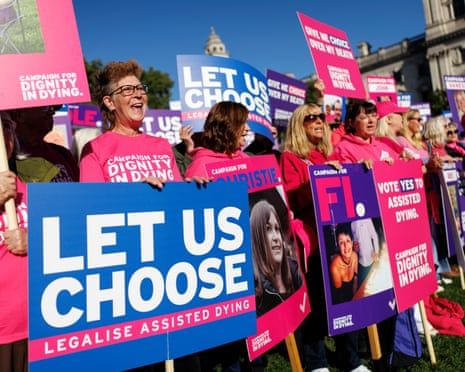
London, November 21, 2025
The UK House of Lords is currently blocking the Assisted Dying Bill, a piece of legislation that narrowly passed the elected House of Commons earlier this year, sparking claims of democratic outrage regarding the powers of unelected peers.
The Assisted Dying Bill, designed to permit terminally ill adults to seek assistance in ending their lives, secured a close majority in the House of Commons with 314 votes in favor against 291. It now awaits consideration in the House of Lords, where its progress has stalled amid disagreements and calls for amendments.
Parliamentary Status and Legislative Process
Having cleared the House of Commons, the bill’s journey to becoming law depends on approval from the House of Lords. Unlike Commons members, the Lords are unelected and serve as a revising chamber with the authority to amend, delay, and on rare occasions, reject legislation. While the Parliament Acts allow the Commons to bypass repeated obstruction, such measures are seldom used and the Lords traditionally exercise restraint, especially on Government bills. However, this Assisted Dying Bill is a Private Members’ Bill, which falls outside established conventions guiding Lords’ deference.
Constitutional Role and Powers of the House of Lords
The House of Lords is constitutionally empowered to scrutinize legislation rigorously, offering a second layer of review intended to protect against ill-considered laws. Its unelected members, drawn from various professional backgrounds, are expected to provide sober second thought. Yet, the debates surrounding the Assisted Dying Bill have accentuated the friction between this legislative check and democratic principles, particularly when an unelected chamber intervenes in a matter approved by the majority of elected representatives.
Democratic Tensions and Legitimacy Concerns
Critics argue that the Lords’ blocking of the bill undermines democratic norms because it opposes the will of the directly elected Commons. Simon Jenkins, a notable commentator, described this situation as a “democratic outrage,” highlighting deep frustrations about non-elected peers overriding elected parliamentarians on a divisive social issue. Proponents of the Lords’ caution suggest that their intervention aims to safeguard vulnerable populations and ensure that ethical and legal safeguards are robust before such significant reform is enacted.
Public Opinion and Political Sensitivity
Public attitudes towards assisted dying remain complex and divided. While there is significant support for the bill within Parliament, surveys suggest nuanced views among the broader population, reflecting ethical considerations and personal beliefs. Politically, the issue’s moral gravity compels careful deliberation, with the Lords often positioning themselves as guardians of thorough oversight rather than purely political actors. Nonetheless, the lack of a direct electoral mandate fuels ongoing debates about the Lords’ role in blocking legislation reflecting parliamentary majorities.
The obstruction of the Assisted Dying Bill by the House of Lords crystallizes fundamental questions about the balance between parliamentary democracy and constitutional checks in the UK. As the bill’s fate hangs in the balance, the controversy underscores persistent challenges regarding democratic legitimacy, the remit of unelected chambers, and the appropriate mechanisms for resolving conflicts between the two Houses of Parliament.