

London, December 06, 2025
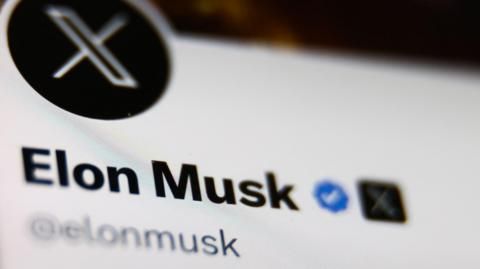
The European Union imposed a €120 million fine on Elon Musk’s social media platform X for violating its Digital Services Act, marking the first major enforcement of the regulation. The fine targets deceptive verification practices, advertising transparency failures, and restrictions on research access, while drawing sharp criticism from the United States.
EU Enforcement and Key Breaches
In a landmark decision, the European Commission fined X, formerly known as Twitter, €120 million (approximately $140 million) for multiple breaches of the Digital Services Act (DSA). The fine followed a two-year investigation concluding in December 2025. The three principal violations cited were deceptive design practices regarding X’s paid blue checkmarks, incomplete transparency on advertising content, and refusal to grant researchers adequate access to publicly available platform data.
The EU found that X’s paid verification system risked confusing users about identity authenticity, increasing exposure to scams and misinformation. Additionally, the platform’s lack of clear disclosures blurred the distinction between paid social media advertising and ordinary content. The refusal to facilitate independent research hindered accountability and understanding of systemic risks on X. These practices contravened obligations to provide a safe, transparent, and accountable digital environment for EU users.
Under the DSA, the EU can impose fines up to 6% of a company’s global revenue for serious non-compliance. The €120 million penalty represents a significant assertion of regulatory authority over global tech platforms operating in Europe. Henna Virkkunen, the EU Executive Vice President overseeing digital sovereignty, emphasized: “Deceptive and opaque practices have no place online within the European Union.”
US Backlash and Transatlantic Tensions
The fine has sparked strong rebuke from the United States government and political figures. Vice President JD Vance harshly criticized the EU’s action, labeling it an attack on free speech amounting to “political censorship.” US officials contend that the DSA’s stringent regulations disproportionately target American technology companies and constitute an overreach of regulatory powers.
This episode highlights escalating tensions between Washington and Brussels in the arena of digital governance. American critics argue that the EU’s regulatory framework imposes suffocating rules that inhibit innovation and unfairly penalize US companies. Some have even hinted at potential retaliatory measures or renegotiations to protect American technology interests.
Background and Regulatory Context
The Digital Services Act came into force in October 2022 as part of the EU’s broader strategy to regulate Big Tech companies and enhance user safety online. It establishes clear responsibilities for very large online platforms to moderate harmful content, ensure transparency, and enable independent monitoring through data access.
Prior to the €120 million fine on X, the EU had considered even more substantial penalties, possibly reaching as high as $1 billion, in connection with ongoing investigations into toxic content and disinformation. The decision against X for transparency and user protection breaches sets a precedent for rigorous enforcement of the DSA’s provisions.
Implications for Global Digital Policy
The €120 million fine on Elon Musk’s X exemplifies the EU’s assertive approach to holding digital platforms accountable, particularly those of US origin. It exposes a persistent divide in digital policy philosophies, with the EU emphasizing consumer protection, transparency, and controlling misinformation, while the US prioritizes freedom of expression and minimal regulatory constraints.
This high-profile regulatory clash signals that the friction between the two economic blocs over internet governance and corporate responsibility will remain a focal point in the coming years. Policymakers, business leaders, and academics worldwide will watch closely as further enforcement actions unfold and potentially reshape the operational landscape for global digital platforms.