

New York, December 08, 2025
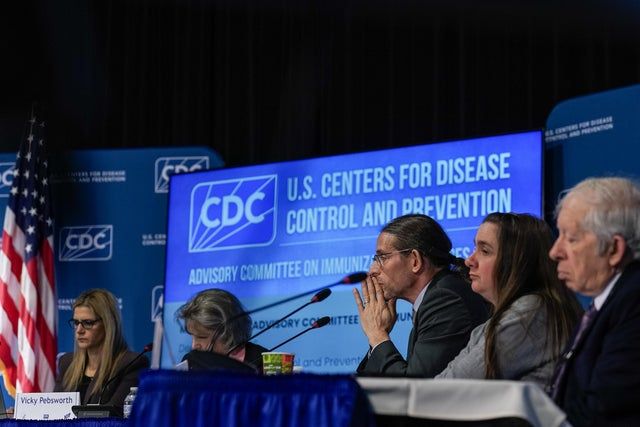
The Advisory Committee on Immunization Practices (ACIP) and the Centers for Disease Control and Prevention (CDC) continue to strongly recommend universal hepatitis B vaccination for all newborns across the United States, despite recent misinformation suggesting otherwise. The panel maintains this policy to protect infants from early life hepatitis B infections while also expanding hepatitis B vaccine recommendations for adults.
ACIP’s United Stance on Newborn Hepatitis B Vaccination
The ACIP’s longstanding guidance endorses administering the hepatitis B vaccine to all infants at birth as a critical step in preventing lifelong viral infection. This position remains unchanged. Contrary to circulating claims, there has been no vote or official decision to end or reduce this universal recommendation for newborns.
In addition to infants, the ACIP affirms vaccination for all children under 19 years who remain unvaccinated. This comprehensive approach is designed to maximize protection early in life and reduce transmission risk.
Expanded Adult Vaccination Guidelines
In recent years, ACIP has broadened its hepatitis B vaccination recommendations to include adults aged 19 through 59 years, now advocating universal vaccination regardless of risk factors. Adults over 60 years are advised to receive the vaccine based on specific risk exposures or personal preference.
This expansion aims to address the ongoing public health challenge of hepatitis B infections in adults, complementing the birth dose strategy to achieve widespread immunity across age groups.
Public Health Rationale and Expert Consensus
Hepatitis B virus is a significant cause of chronic liver disease, including cirrhosis and liver cancer. Administering the first vaccine dose immediately after birth is vital because perinatal transmission carries a high risk of persistent infection.
Health experts emphasize that removing or limiting the birth dose recommendation would increase vulnerability among newborns and undermine decades of progress in hepatitis B prevention. Organizations such as the CDC and the Trust for America’s Health have highlighted the critical importance of maintaining universal vaccination at birth.
There is no evidence from any credible source indicating a shift away from this successful strategy. Instead, public health authorities continue to surveil and adjust policies based on evolving epidemiologic data, with the priority firmly on sustaining and expanding protection.
Implications for Public Health and Policy
Maintaining universal hepatitis B vaccination at birth is essential for controlling the virus’s spread and protecting future generations. The complementary expansion of adult vaccination further strengthens the nation’s defense against hepatitis B.
Policymakers, healthcare professionals, and business leaders should remain informed about confirmed guidelines to avoid confusion and ensure consistent public messaging.
As policy discussions and public health strategies advance, the ACIP and CDC continue to provide transparent, evidence-based recommendations to support health security nationwide.