

New York, November 30, 2025
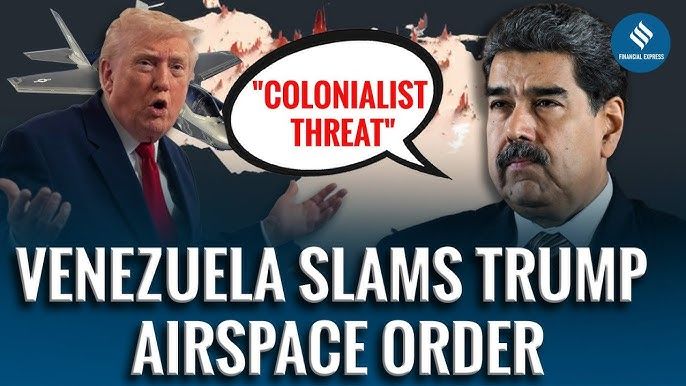
President Donald Trump declared Venezuela’s airspace “closed” on November 30, 2025, aiming to pressure the Venezuelan government and curb drug trafficking. The declaration, lacking legal authority, was directed at airlines and traffickers operating in Venezuelan airspace.
Trump’s Airspace Closure Declaration
On Saturday, President Donald Trump issued a warning that Venezuela’s airspace should be treated as closed. This announcement forms part of a broader strategy targeting Venezuelan leader Nicolás Maduro’s administration, including threats of military strikes and accusations that vessels associated with Venezuela have been transporting drugs.
The directive explicitly warned airlines and alleged drug traffickers to avoid Venezuelan airspace, signaling heightened US pressure on the country.
Limitations of Trump’s Authority
Despite the strong language, Trump’s declaration does not hold legal force under international aviation or sovereignty laws. Control and regulation of national airspace are the prerogative of the sovereign state concerned—in this case, Venezuela. The US lacks jurisdiction to unilaterally close Venezuelan airspace, making the announcement a diplomatic and psychological tactic rather than an enforceable restriction.
Venezuelan Government Response
The Venezuelan government condemned the US declaration as an act of foreign interference and an overextension of American power. Officials described the move as part of a continuing pattern of hostile actions aimed at destabilizing Venezuela.
This rejection underscores the ongoing confrontational relationship between the US and Venezuela, with Caracas viewing Washington’s recent steps as violations of its sovereignty.
Context of Escalating US-Venezuela Tensions
The airspace warning comes amid several months of heightened US-Venezuela tensions. Trump’s administration has made repeated allegations against Maduro’s regime, accusing it of facilitating drug trafficking to US borders. Alongside the airspace declaration, the US has issued military threat warnings and intensified sanctions.
These measures coincide with broader US administration policies adopting hardened stances on immigration and national security. For example, the US is currently pausing or reviewing asylum claims and green card statuses for citizens from countries including Afghanistan, reflecting a global approach to perceived security threats.
Implications of the Declaration
Trump’s declaration illustrates a tactic of exerting pressure through public declarations despite lacking direct legal mechanisms to enforce them. By warning airlines and traffickers, the administration seeks to disrupt Venezuelan activities without resorting to immediate military intervention.
This development is likely to exacerbate diplomatic strains and increase geopolitical tensions in the Western Hemisphere. It highlights the complexities and challenges of US foreign policy towards Venezuela, balancing pressure strategies with the risks of international backlash and strained relations.
As the situation unfolds, global observers and policymakers will be monitoring how Venezuela responds and what further US measures might be contemplated in this ongoing dispute.