

Hanoi, November 23, 2025
At least 90 people have died and 12 remain missing in central Vietnam following severe flooding caused by unprecedented rainfall over recent days, prompting widespread evacuations and power outages.
Casualties and Evacuations
The floods, triggered by relentless torrential rains, have resulted in one of the deadliest natural disasters in Vietnam in years. Authorities report that nearly 62,000 residents have been forced to evacuate from flood-affected areas. Alongside the confirmed death toll, 12 individuals are still unaccounted for as rescue efforts continue under challenging conditions. Power supply disruptions have been severe, affecting approximately one million customers across the impacted provinces.
Infrastructure and Property Damage
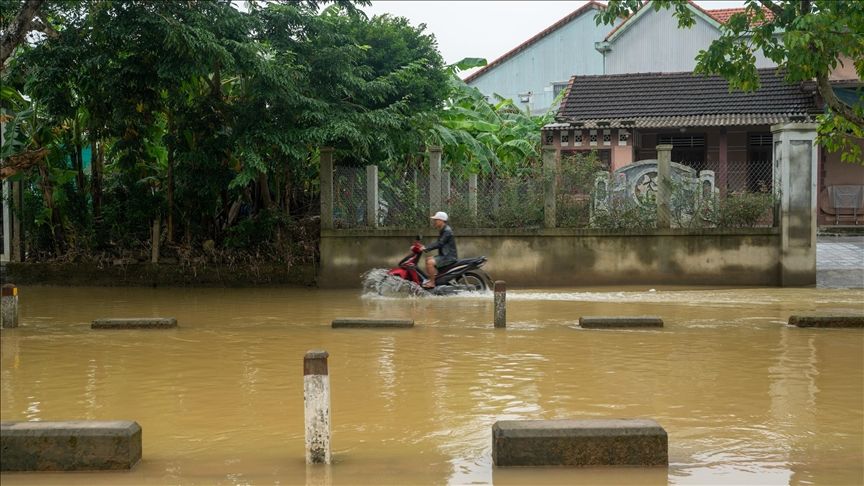
Floodwaters have inundated more than 52,000 homes, submerging entire neighborhoods and dismantling critical infrastructure. Key transport routes, including the Mimosa Pass near Da Lat, have experienced landslides and road collapses, disrupting highway and railway connectivity crucial for both civilian mobility and relief operations. The collapse of such infrastructure poses significant challenges to delivering aid and restoring normalcy in the affected regions.
Causes and Climate Context
Rainfall totals in some locations have exceeded 1.5 meters, surpassing historic flood levels recorded in 1993. Experts link the severity and frequency of such extreme weather events in Southeast Asia to the effects of climate change. Increased ocean temperatures contribute to more intense typhoons and heavy rainfalls, exacerbating flood risk in vulnerable areas like central Vietnam.
Ongoing Emergency Response
Emergency response teams remain actively engaged in search and rescue missions despite adverse weather conditions. Authorities have issued urgent warnings for residents in low-lying or flood-prone zones to move to higher ground as additional rains are forecast. The government is coordinating with military units and local agencies to provide relief supplies and support displaced populations.
Broader Impacts
Beyond the immediate humanitarian crisis, the floods have significant economic repercussions. The disruption to transportation and widespread flooding threaten Vietnam’s coffee harvest—a vital export commodity and source of income for many local communities. The flooding’s toll on agriculture and infrastructure underscores the longer-term challenges of disaster resilience amid evolving climate patterns.
This disaster highlights the escalating humanitarian and economic risks posed by climate-related extreme weather in the region. Swift, coordinated relief efforts and comprehensive planning for enhanced flood management and climate adaptation are imperative to mitigate future impacts in central Vietnam and beyond.