

Atlanta, November 23, 2025
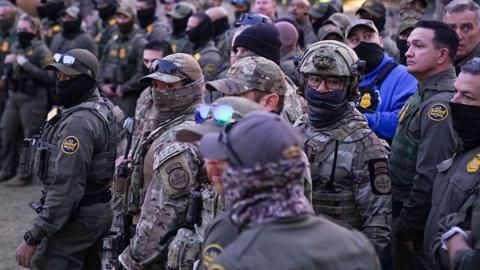
The White House has issued an apology following a large-scale ICE raid in September 2025 at the Hyundai-LG battery plant construction site in Bryan County, Georgia, which detained 475 workers, including 317 South Korean nationals, disrupting operations and sparking international backlash.
White House Apology and Raid Details
In September 2025, U.S. Immigration and Customs Enforcement (ICE) conducted a raid targeting the Hyundai-LG battery plant, a $12.6 billion facility under construction in Bryan County, Georgia. The operation detained 475 workers, many on temporary work visas, including a significant number of South Korean nationals present to assist with plant setup. Hyundai Motor CEO José Muñoz revealed that the White House was unaware of the raid in advance and subsequently apologized for the incident.
Impact on Workers and Plant Operations
Detainees reported harsh conditions during their confinement, such as overcrowding with up to 80 individuals per cell, sleeping on moldy mattresses, and consuming foul-smelling water. Some also alleged mistreatment and racial slurs by guards. The raid caused significant disruption to Hyundai’s operations, delaying the plant’s opening by at least two months and forcing the company to search for replacement workers.
Political and Diplomatic Reactions
The raid escalated into a diplomatic dispute, with the South Korean government intervening. President Lee Jae Myung described the event as “extremely bewildering.” Georgia Governor Brian Kemp also contacted Muñoz, expressing confusion over the raid, stating it was not under state jurisdiction. Reports indicate that former President Donald Trump opposed the raid and encouraged detained workers to remain in the U.S. to train American employees, although this plan was not executed.
Legal Actions and Hyundai’s Response
Approximately 200 detained workers are preparing lawsuits against ICE, citing the conditions and treatment they endured. Hyundai is actively engaging with U.S. and South Korean officials to develop a long-term immigration framework to support foreign workers involved in major U.S. investments, aiming to avoid future disruptions.
Broader Significance
This incident highlights the risks that domestic immigration enforcement poses to billions in foreign investment and the complexity of maintaining international relations. It also raises concerns about due process and human rights protections within immigration enforcement. For Hyundai and similar foreign manufacturers, the event underscores the challenges of operating in the U.S. while navigating immigration policy constraints. Hyundai remains committed to U.S. manufacturing despite these difficulties.